What is Softened or Room-Temperature Butter?

A lot of recipes fail due to calling for “softened or room-temperature butter” without taking into consideration that the room the baker is in could be anything really. In either a 65°F (18°C) or 89°F (31°C) kitchen for example, you’ll end up with rock hard or soupy butter no matter what you do.

Both consistencies described will give you problems with baking. Too hard and the butter cannot incorporate fully and can cause unsightly air pockets. Too soft and the structure breaks down. You’ll often have a cookie that spreads out so flat you can use it as a plate.

Also, the texture often becomes greasy. Neither is ideal. I found 70°F (21°C) seems to be this ideal room temperature they often refer to but my house is rarely there.

So I usually just check the butter every so often and judge it by the day. On hot days, it takes minutes. Cold days? Often, overnight.

Sometimes I use the microwave in quick defrost bursts and know the texture will be off that day. But if your recipe is failing time and time again, look at your butter. Is it “softened” or a puddle?

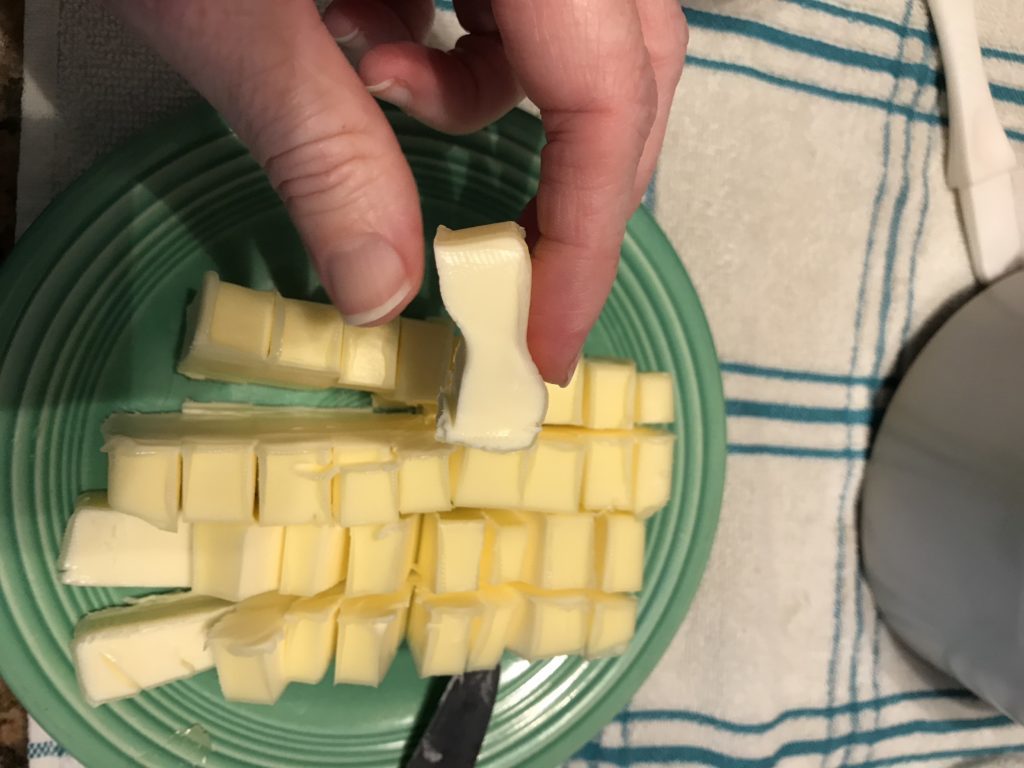
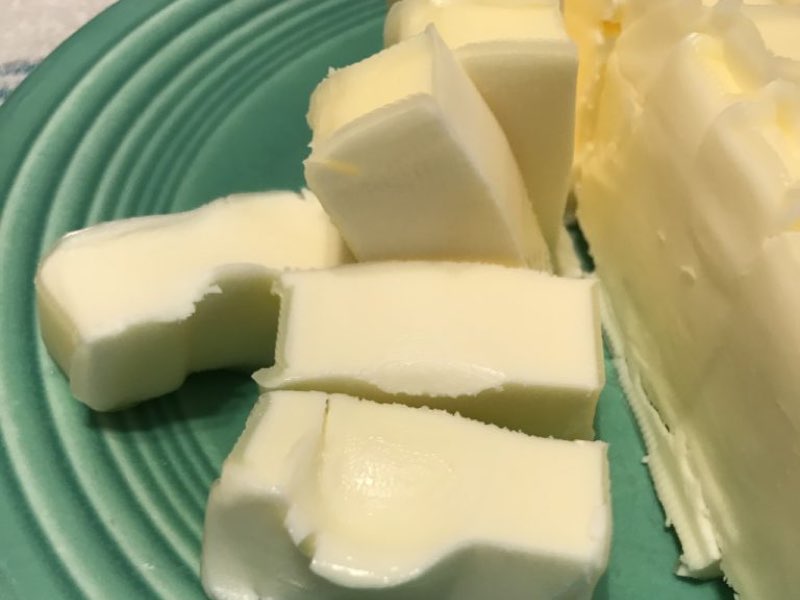
Finally, what are you looking for? Softened butter that is still pliable and takes some resistance before collapsing. See the pictures below.
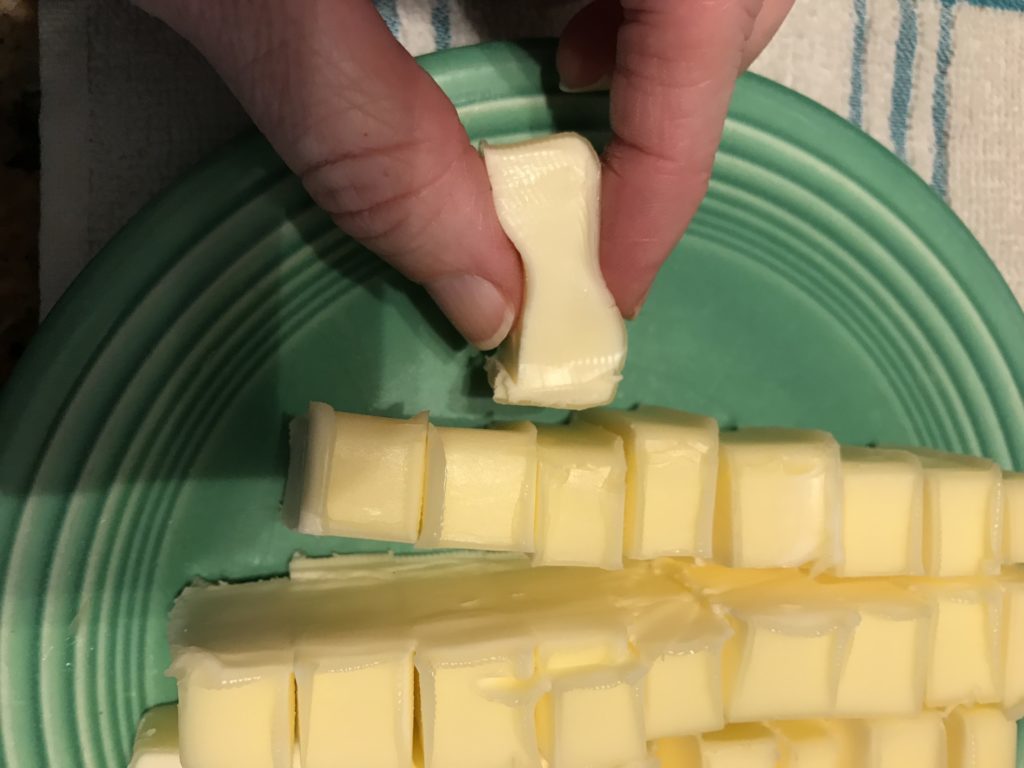
So what do you have? Is it softened or room-temperature butter? Comment below what you find out.

You May Also Like:

Classic Chocolate Chip Cookies Recipe

This is for my friend, Kara that likes flat or rather, classic chocolate chip cookies. The higher the sugar content and less time mixing the cookie dough allows them to spread out and become crispy along the edges. A bonus, you don't need to chill the dough and can...

Tempering Milk Chocolate Made Easy

Now that we've learned the basics on tempering chocolate, let's learn to temper milk chocolate. I like to practice with baking chips, pretzels and cereals to make a delicious candy bar that doesn't need much work. That way, all the chocolate is used up after...

A Beginners Guide to Swiss Meringue

This post will walk you through how to make a Swiss Meringue. You may ask yourself why do I want to make Swiss version when it is more work than French meringue? There are two main reasons: stability and food safety. By heating the eggs to 160F (71C) you will kill off...

More Ways to Connect!

Do you want to share your results?  Do you have more questions on this recipe?  Did you find an error?  We want to help and we appreciate yours.  Please contact us.  We love hearing from you!

Follow Us:

Questions? We're Here to Help!

Do you have questions about our recipes, want to brag about your accomplishments, complain, compliment, send stories of your furry pets, or found an error in our typing?  We want to hear from you!  Please contact us and we will get back to you as soon as we finish baking our latest creation.  Or sleeping.

Comments:

0 Comments
Submit a Comment

Your email address will not be published. Required fields are marked *

Pin It on Pinterest